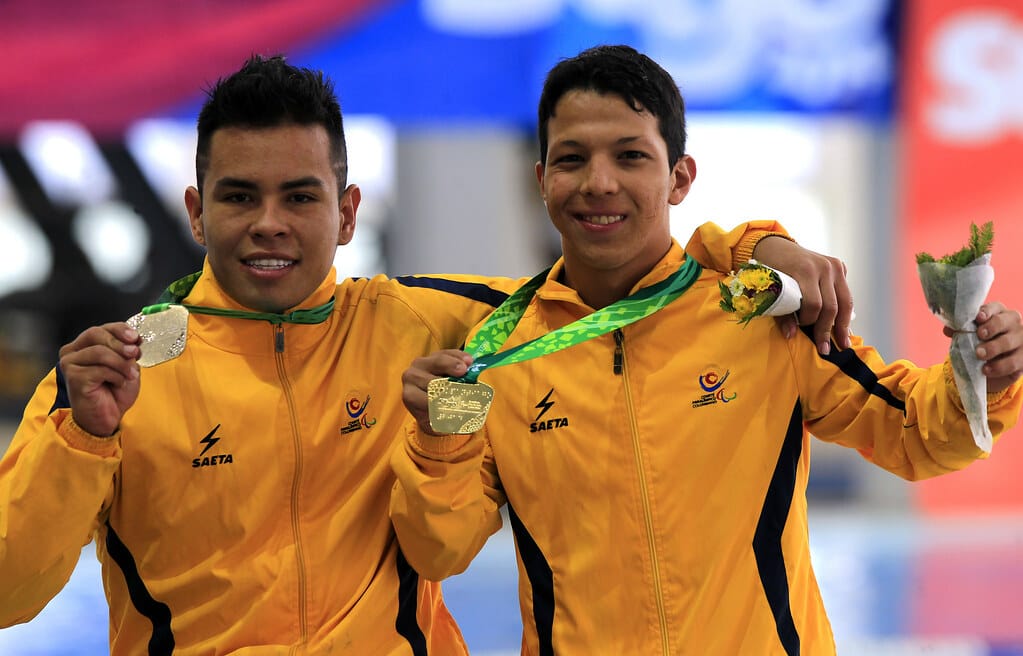
Valledupar, September 1, 2025. From March 26 to 30, 2014, the city of Santiago de Chile was the scene of a historic event for South American sport: the First Parasuramerican Games were held, an unprecedented regional competition dedicated exclusively to athletes with disabilities. This pioneering event brought together more than 600 athletes from eight countries, who competed with passion and high level in seven Paralympic sports.
The opening ceremony and the competitions demonstrated a high level of planning, accessibility and convening, with an audience that accompanied with enthusiasm during the five days of competition.
Paralympic sports in action
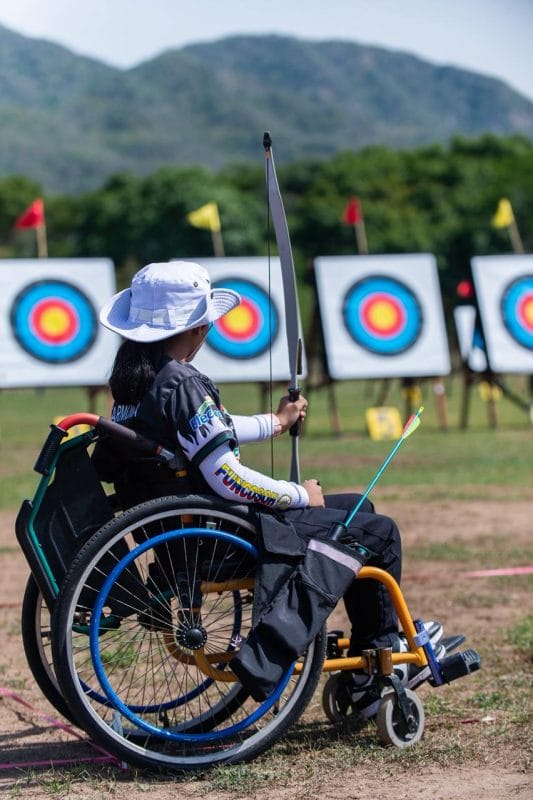
The games, which put the hemisphere’s best Para-athletes to the test for the first time, featured seven sports from the international Paralympic program. The disciplines in competition were: Para athletics, Para swimming, Para wheelchair basketball, Para table tennis, Para boccia, Para weightlifting and Para wheelchair tennis.
The Paralympic Games, which put the hemisphere’s best athletes to the test for the first time, featured seven sports from the international Paralympic program.
These sports allowed the participation of athletes with different types of disabilities, including physical, visual and intellectual, highlighting the diversity and inclusive approach of the event.
High-altitude sports infrastructure
Sports infrastructure.
The competitions were held in five main venues, all located in the metropolitan area of the city of Santiago. The Olympic Training Center (CEO) was the venue for Para athletics and weightlifting, while the pools of the National Stadium hosted the Para swimming trials and events. Wheelchair basketball was held at the Multisports Gymnasium of the National Stadium. Meanwhile, Para table tennis and boccia were held in two suitable venues at the Centro Cultural Chimkowe (which in the Mapuche language translates as ‘Meeting Place’), located in the Peñalolén district. Finally, the Municipal Stadium of the same commune was the stage for soccer (5) for the blind.
The event was held at the Municipal Stadium of the same commune.
It is noteworthy that the organizing committee of this event ensured that all facilities were adapted with universal accessibility and technical equipment according to international requirements, consolidating the capital of Chile as a city prepared for large inclusive sporting events.
International convocation: eight nations, one spirit
International convocation: eight nations, one spirit
They had the second largest delegation with 103 athletes, just one Para athlete behind Brazil, which brought 104.
Argentina traveled with 97 Para athletes, while, Colombia and Venezuela competed with 89 and 82 athletes respectively. Ecuador was present with 45 representatives, Peru with 42 and Uruguay with 38 people. In total, more than 600 Para athletes gave life to a vibrant competition that left a mark in the history of continental Paralympic sport.
Argentina, a sun bathed in gold
Argentina, a sun bathed in gold
Argentina dominated the competition from start to finish, consolidating, at the time, its regional leadership in Paralympic sport. The ‘albiceleste’ delegation harvested a total of 112 medals, of which 49 gold, 37 silver and 26 bronze, which marked a resounding difference against the other seven participating countries.
The ‘albiceleste’ delegation harvested a total of 112 medals, of which 49 gold, 37 silver and 26 bronze, which marked a resounding difference against the other seven participating countries.
Brazil took second place in the medal standings with 104 medals, including 47 gold. Venezuela, meanwhile, reached the third place with 34 gold medals and a total of 79 medals in the fairs. Further behind were Colombia, with 113 medals, 33 of them gold; Chile, which reached the podium 43 times, was in fifth place with 10 gold medals, while Ecuador won one gold medal, 5 silver medals and 3 bronze medals for a total of 9 medals, finishing in sixth place in the event. The medal count of the First Parasuramerican Games in history closed with Uruguay with 2 silver medals in total and Peru, country that obtained 5 bronze medals in all the competitions.
The legacy to keep alive in Valledupar 2026
The Parasuramerican Games Santiago 2014 left a profound legacy. Beyond the numbers, medals and results, the event generated awareness, made visible the talent of hundreds of Para athletes with disabilities and promoted more inclusive sports policies in the region. The realization of these Games laid the groundwork for future editions, such as the II Parasuramerican Games Valledupar 2026, in addition to strengthening national sports structures with an international platform for athletes to project themselves towards competitions such as the Parapan American Games and Paralympic Games.
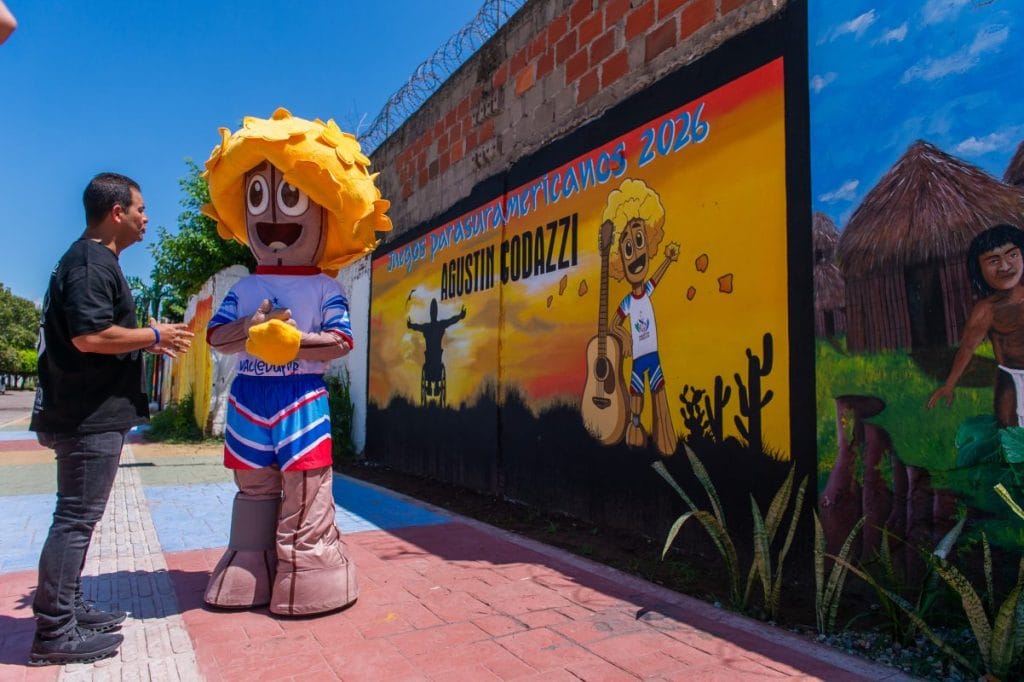
Santiago 2014 was not only a successful debut: it was the beginning of a new era for Paralympic sport in South America. Although the development of this multi-sport competition was stopped for two cycles, this event resumes in Valledupar, a sports city in the Colombian Caribbean, capital of the department of Cesar (province/state/region), cradle of legends, myths and vallenato folklore. A magical city that has a high-level sports infrastructure in which, from July 5 to 16, 1,120 Para athletes from 12 countries will make history in 13 Paralympic sports, showing that in the Parasuramerican Games Valledupar 2026: ‘The legend does not stop’.