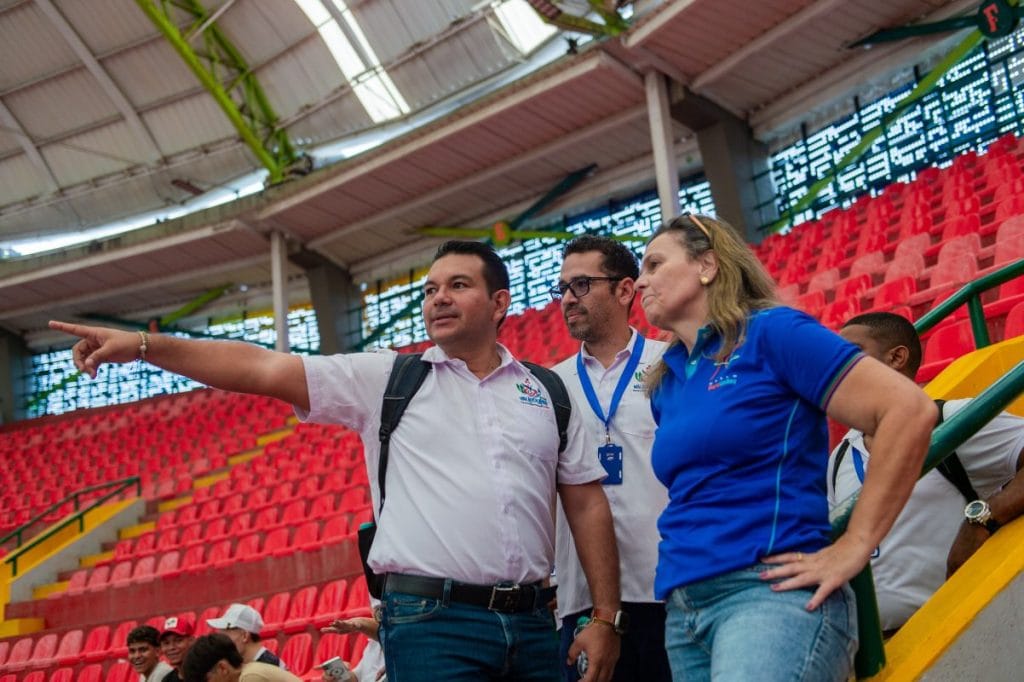
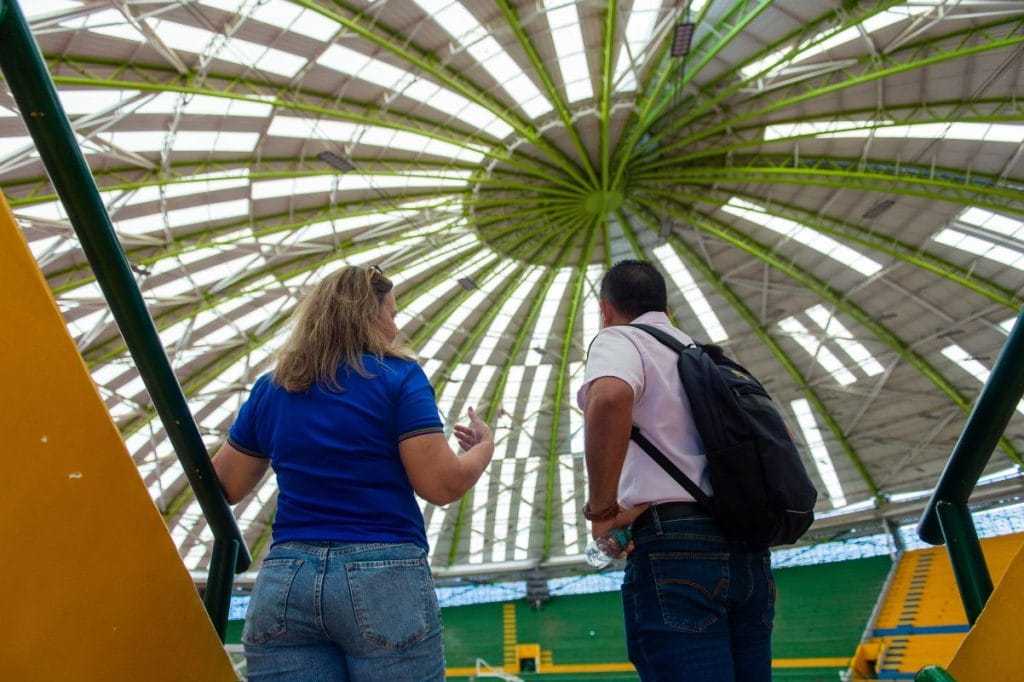
Valledupar, October 20, 2025, Excitement, strength and precision will be protagonists in the Julio Monsalvo Castilla Coliseum during the Valledupar 2026 Parasuramerican Games, when sitting volleyball makes its official debut in the hemispheric sports program, consolidating itself as one of the most inclusive and spectacular disciplines of the Paralympic movement.
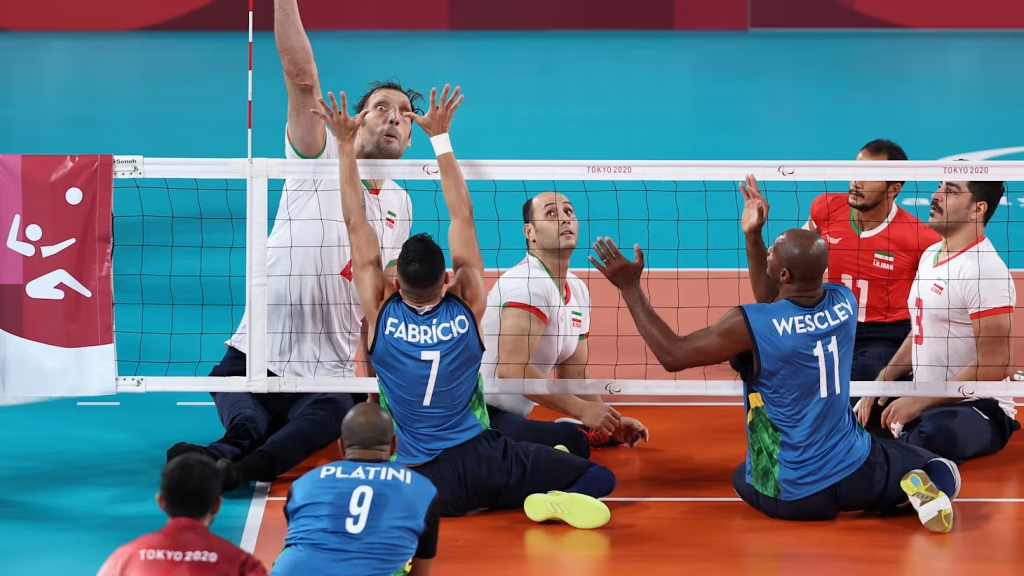
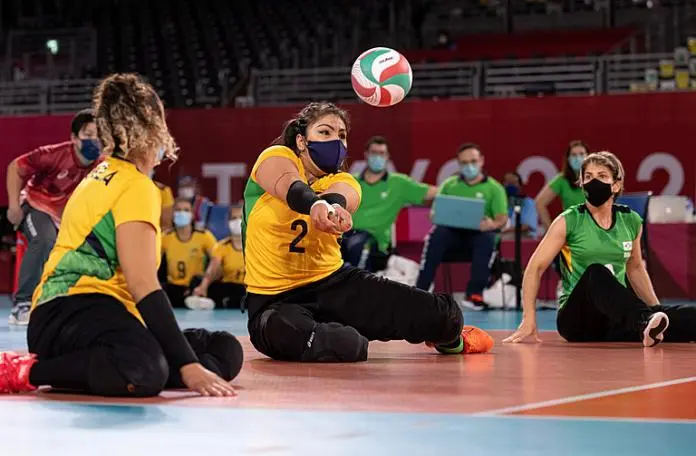
Sitting volleyball combines agility, technique and communication in a space of 10 by 6 meters, with a lower net than in conventional volleyball (1.15 m for men and 1.05 m for women). The teams are made up of six starting players and six substitutes, and all must maintain permanent contact with the floor, which turns each play into a display of reflexes, reaction and collective work. The game is played to the best of five sets and the first to reach three wins, in a spectacle that exalts the competitive and inclusive spirit of Paralympic sport.
History of perseverance and hegemony
Sitting volleyball was born in the 1950s in Europe and joined the Paralympic program at Arnhem 1980 (Paralympic Games held in this city in the Netherlands). Since then, dominance has been shared between Iran, which has eight Paralympic golds, and Bosnia and Herzegovina, its great rival. At Paris 2024, Iran was again crowned champion after defeating Bosnia 3-1, while Egypt completed the podium with bronze, after beating Germany.
Among the women, the United States and China star in one of the most exciting rivalries in Paralympic sport: both contested the finals of Tokyo 2020 and Paris 2024, with identical results in favor of the Americans. The third place has been alternated by Brazil and Canada, who exchanged bronze in those two editions, demonstrating the growth and competitiveness of the American continent.
The two teams have also been in the same position.
From Lima to Valledupar: the hemispheric leap
Sitting volleyball is a relatively new sport on the American continental circuit. Although it has been played regularly, since the Rio 2007 Parapan American Games, it had never been part of the Parasur American Games program, so it was absent from the first edition of this multi-sport event contested in 2014 in Santiago, Chile.
Thus, Valledupar 2026 will be the starting point of a new era, in which this discipline will open a space for the best sextets in South America and will consolidate the legacy of adapted sport in the region.
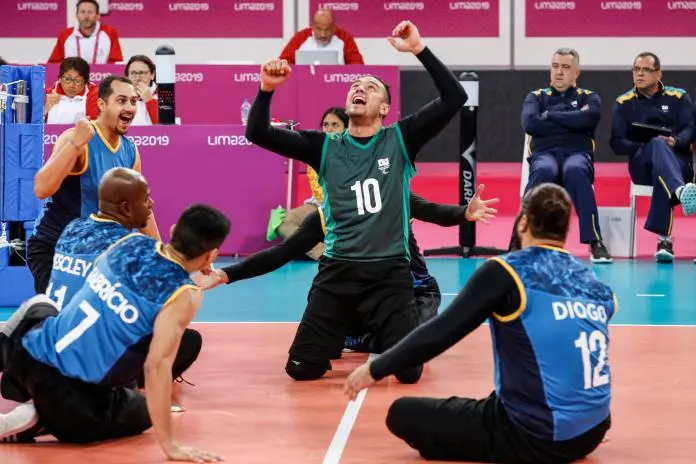
Brazil is the hemispheric power in this sport.
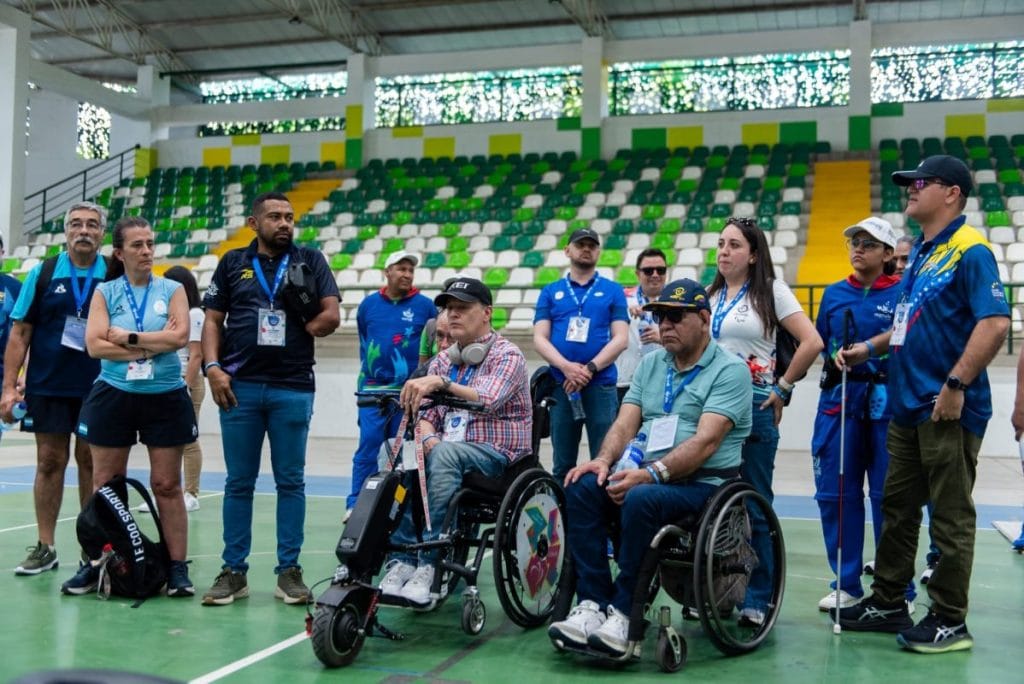
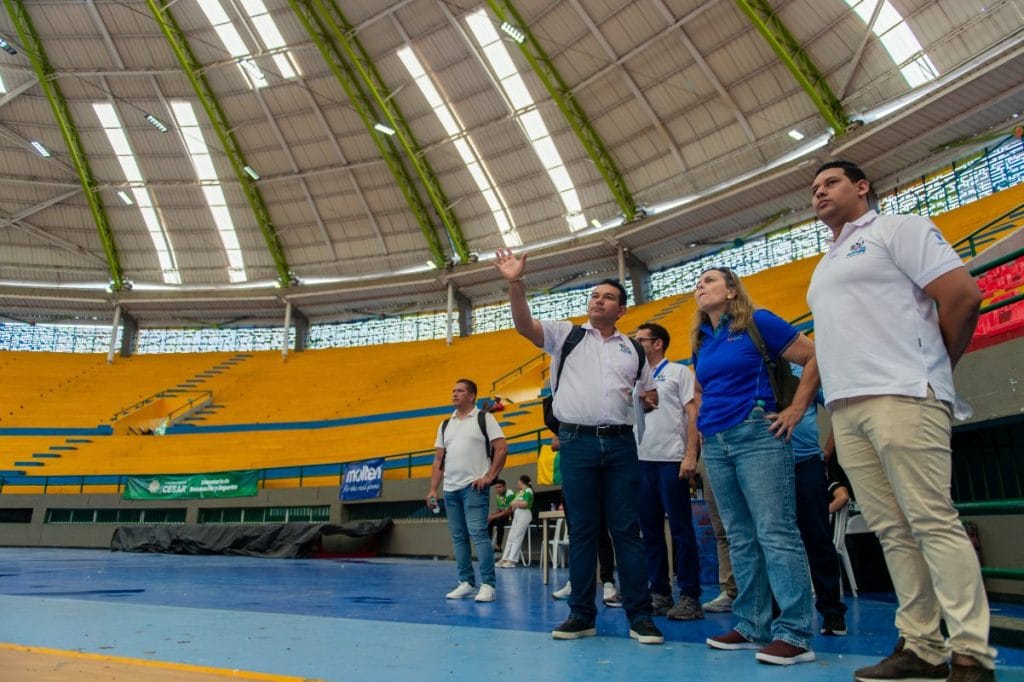
Classified from the continental ranking, the six best men’s and women’s teams of South America, will play the matches at the emblematic Coliseo Julio Monsalvo Castilla, a comfortable and accessible scenario that promises a great experience for athletes and the general public. During five days of competition, the Colombian Caribbean and the entire hemisphere will witness a show that combines power, precision and camaraderie.