Valledupar, May 17, 2026. When visitors arrive in Valledupar for the II 2026 Parasuramerican Games, they will quickly discover a unique feature of the city: In the World Capital of Vallenato, directions aren’t always given using streets and avenues. Often, to help visitors find their way—or even themselves—locals locals often use roundabouts as reference points—spaces that, in addition to organizing traffic, tell part of the story, culture, and traditions of the world capital of vallenato.
For those arriving from other countries in the Americas and the rest of the world,these circular intersections may be called roundabouts, traffic circles, ovals, or rotary intersections. In Valledupar, they are also popularly known as “rompoy,” a word that is part of the everyday language of the Vallenatos.
But beyond simply helping people find their way, these roundabouts have become true urban monuments that pay tribute to figures, cultural expressions, and symbols that have shaped the region’s identity.
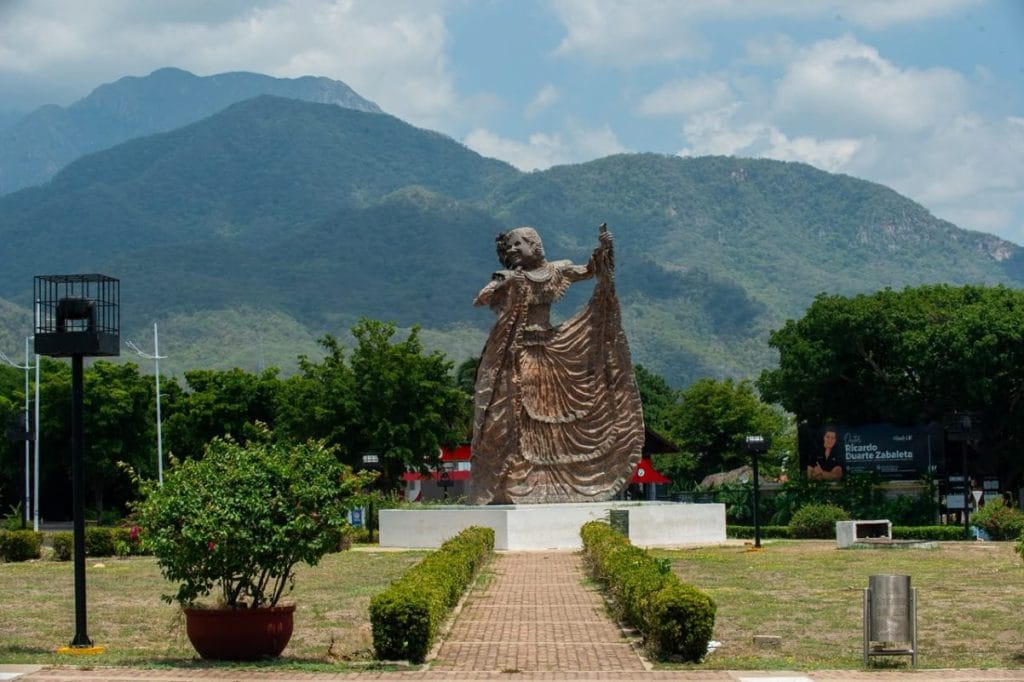
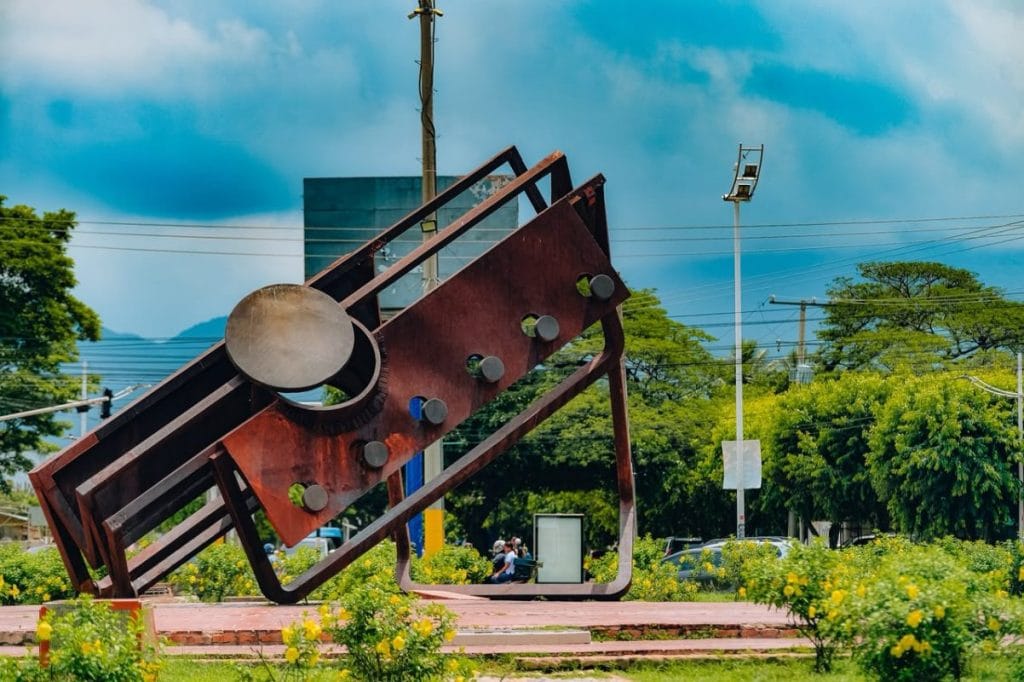
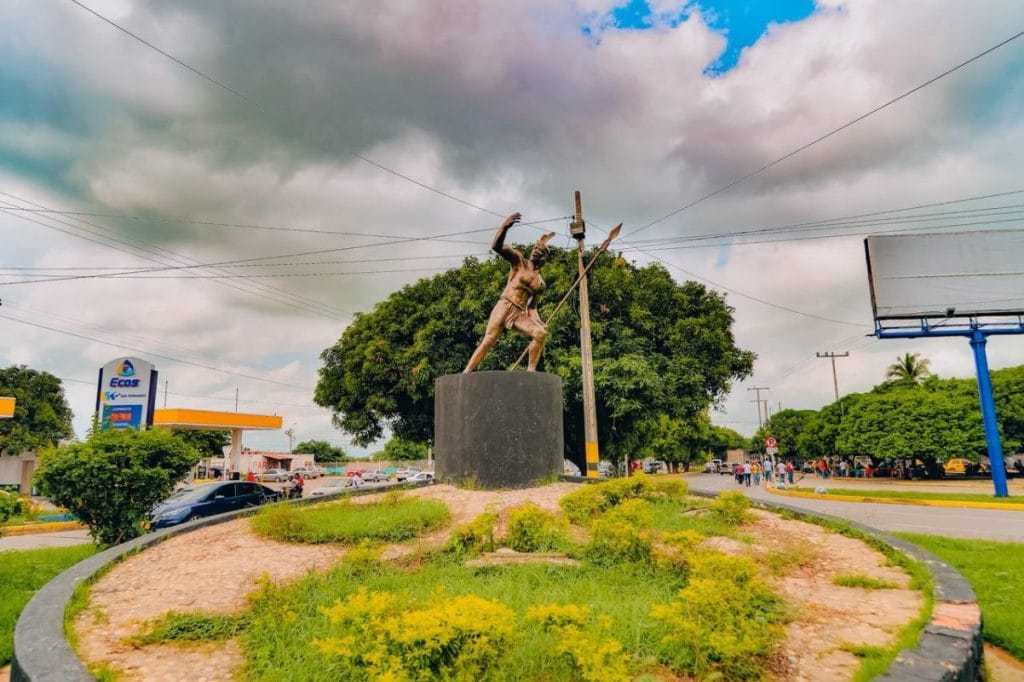
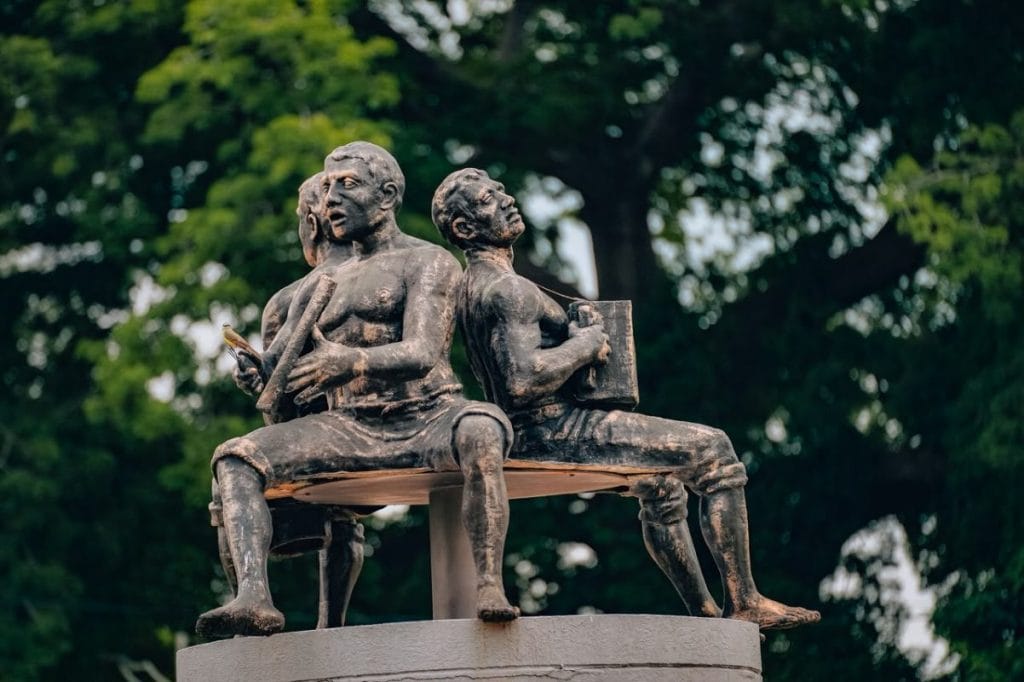
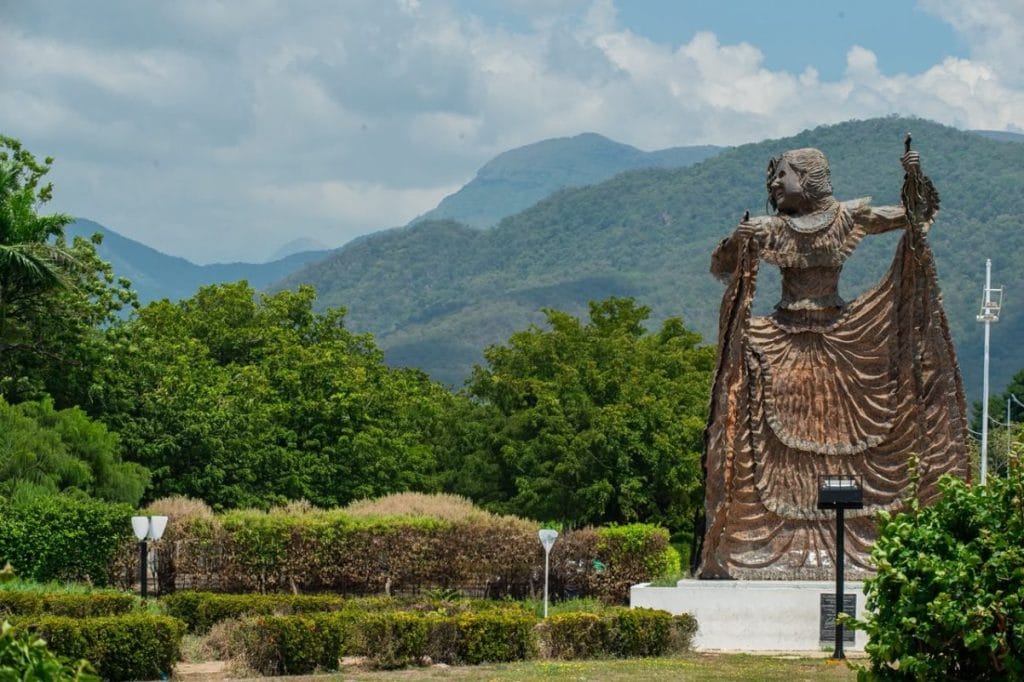
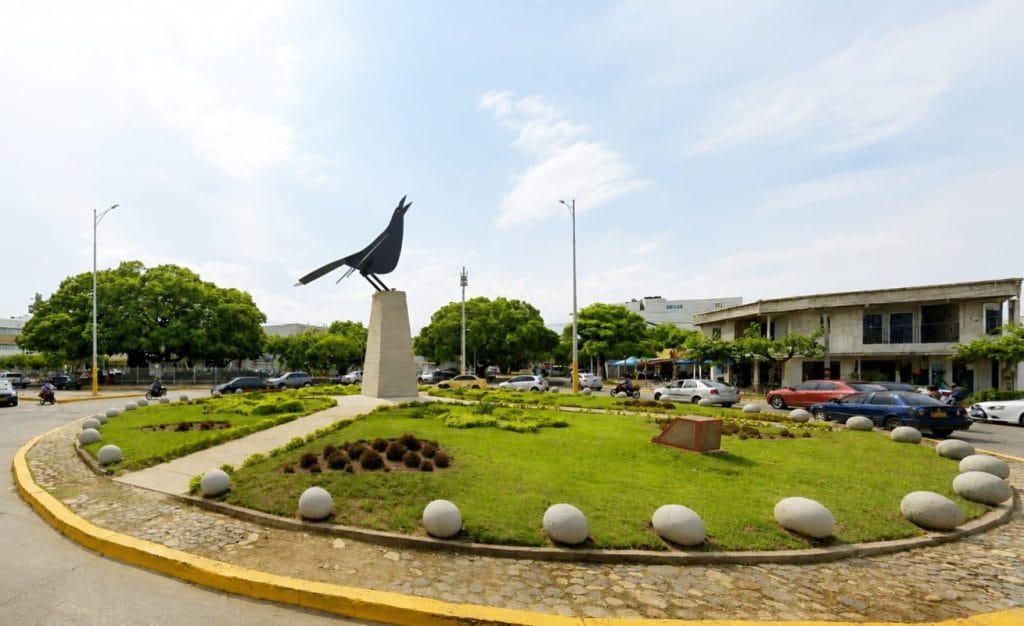
One of the most iconic is the La Pilonera Mayor Gazebo, dedicated to Consuelo Araujo Noguera, one of the organizers of the Vallenata Legend Festival. Nearby is the Los Juglares Roundabout, located in La Provincia Park, close to the stage that brings together thousands of fans of the Vallenato music genre every year.
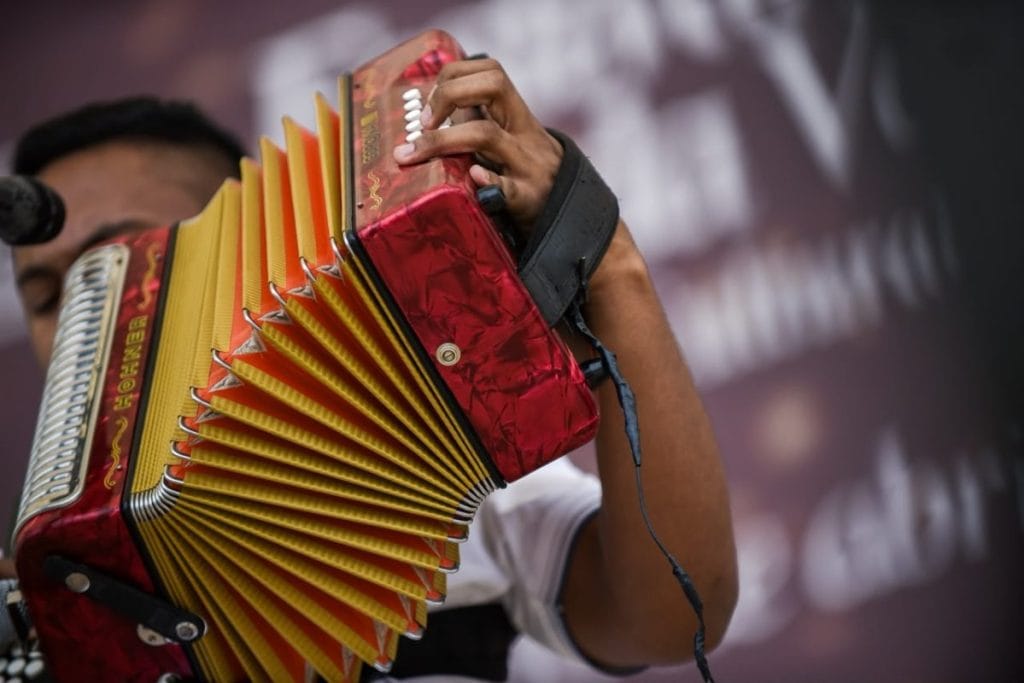
Another must-see stop is the roundabout called Mi Pedazo de Acordeón, a monument that pays tribute to the legendary Alejo Durán, the first King of the Vallenato Festival. Its location near the Accordion Museum makes it an ideal spot for those who want to learn about the history of the music that defines the region.
The connection between Valledupar and its ancestral roots is also evident at the Los Poporos Roundabout, located very close totwo venues of the Games, serves as an allegory to the traditional elements used by the indigenous peoples of the Sierra Nevada de Santa Marta.
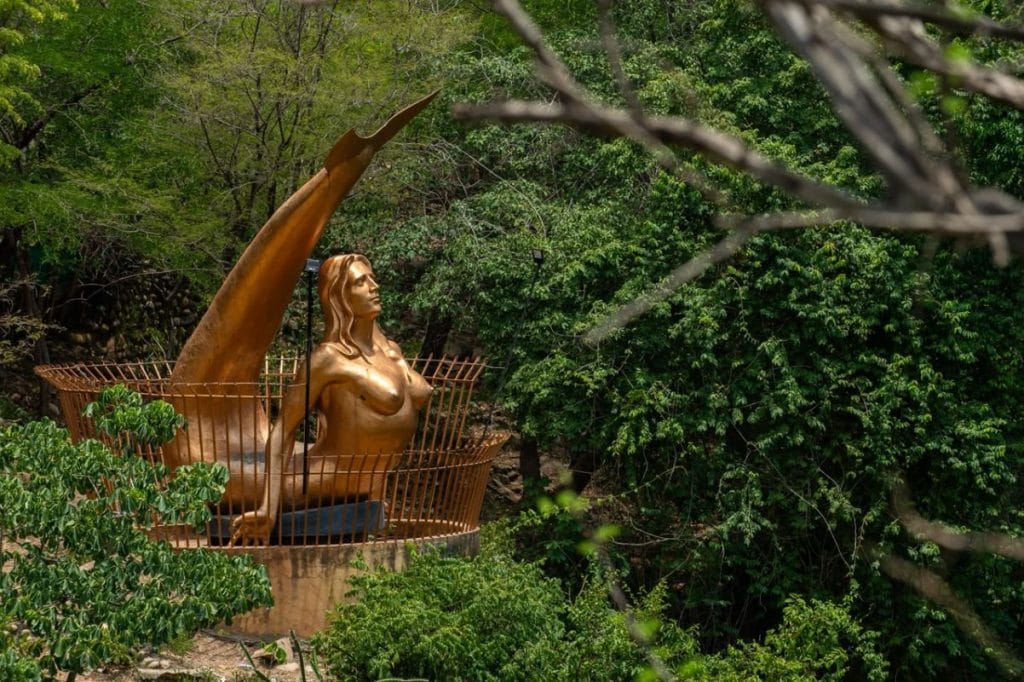
The city also pays tribute to its biodiversity at the La María Mulata Roundabout, a work donated by artist Enrique Grau to commemorate Valledupar’s 450th anniversary. Also on the city’s main thoroughfare, Simón Bolívar Avenue, there is a roundabout that evokes a common pastime in certain towns of the Colombian Caribbean, represented in the Los Gallos Roundabout.
A little further south of the city, Vallenato folklore takes center stage again at the Los Músicos Roundabout, while on Salguero Avenue one can see the roundabout byHernando Santana, a work that caused controversy among the Vallenatos, as it recalls the imperial conqueror who founded the city centuries ago. This roundabout marks the path to the Historic Center, where some of Valledupar’s most iconic sites are preserved, and it also connects to one of the city’s southern exits.
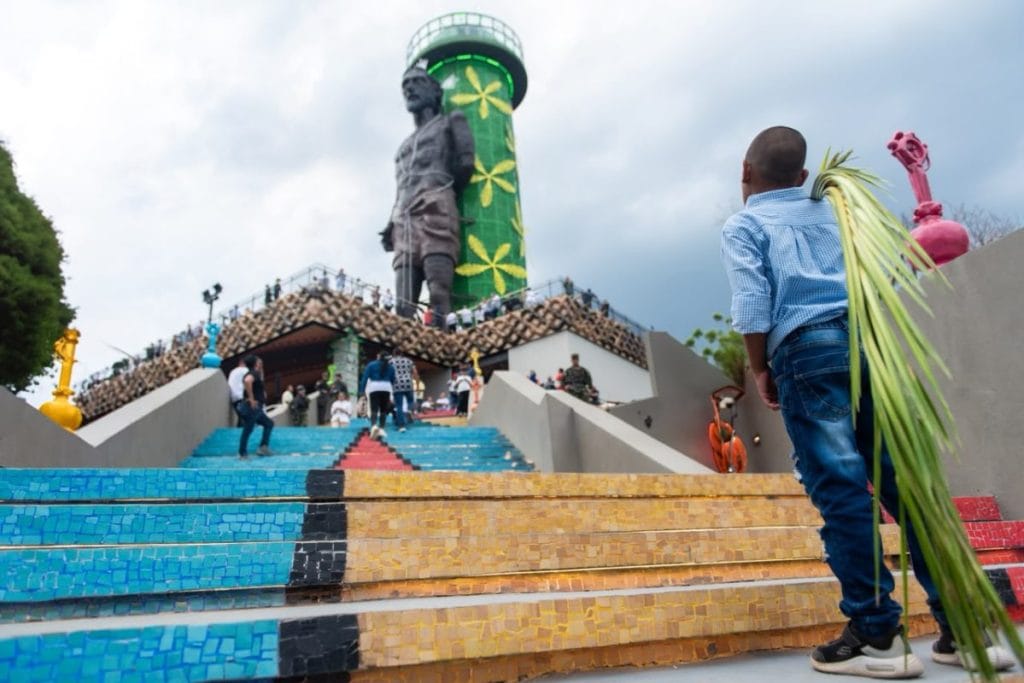
For its part, the La Chichamaya (Yonna) Roundabout highlights the cultural richness of the indigenous peoples of the department of La Guajira (northern Colombia, on the border with Venezuela),especially the Wayuu people, while the Cacique Upar Roundabout, near the city’s bus terminal, honors the indigenous leader Ette Ennaka(Chimila), who gave the city its name and is one of the most photographed sites by visitors and tourists arriving in Valledupar.
During the 2026 Valledupar Parasur American Games, these roundabouts will be much more than just geographical landmarks. They will be gateways to the history of a city preparing to welcome the Americas with music, culture, and the hospitality characteristic of Colombia’s Caribbean region. Because in Valledupar, every roundabout points the way, but it also tells a story.
By Roberto Carlos Fuentes.-
JPV2026 Press Office.