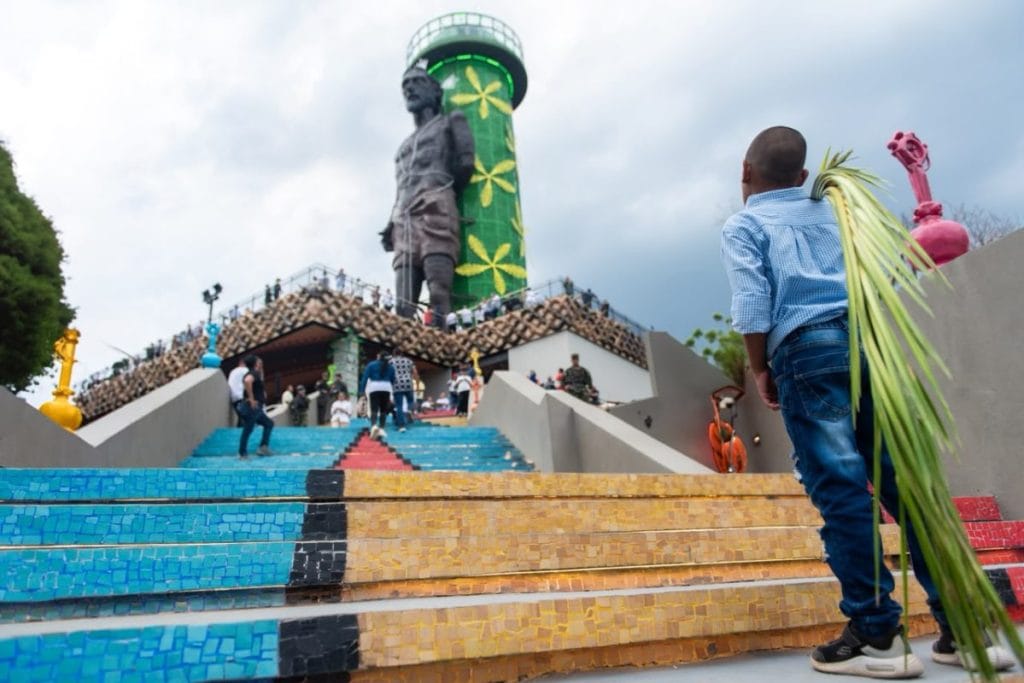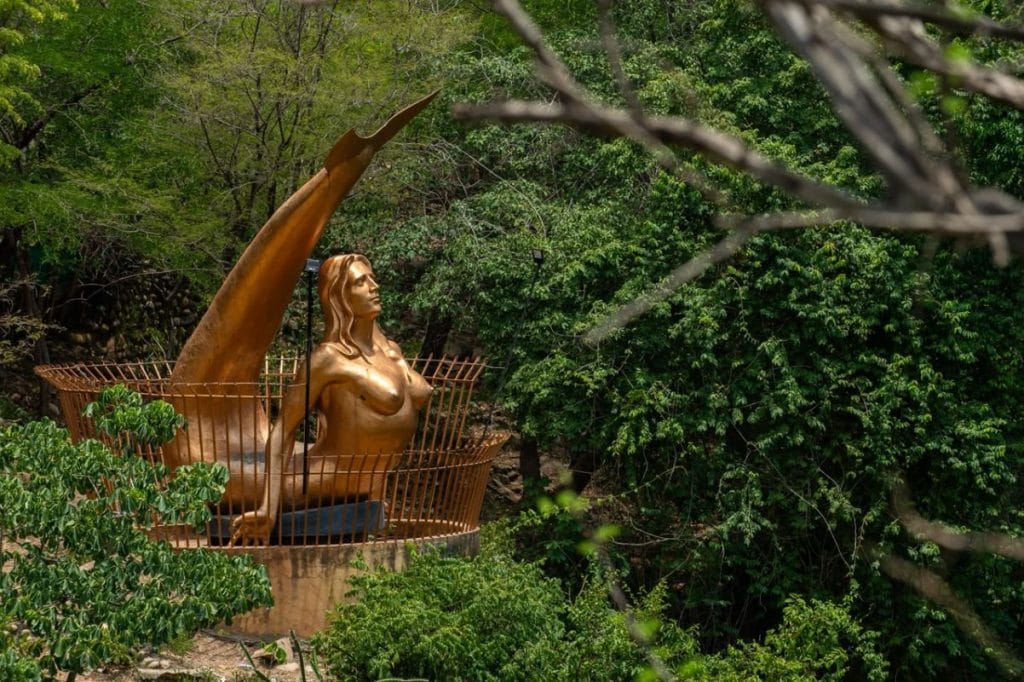
Valledupar, May 21, 2026. If there is one story that captures the spirit of the people of Valledupar, it is that of Francisco el Hombre. His name is present in songs, monuments, folk tales, and the collective imagination of a region where music is much more than entertainment: it is identity, memory, and tradition.
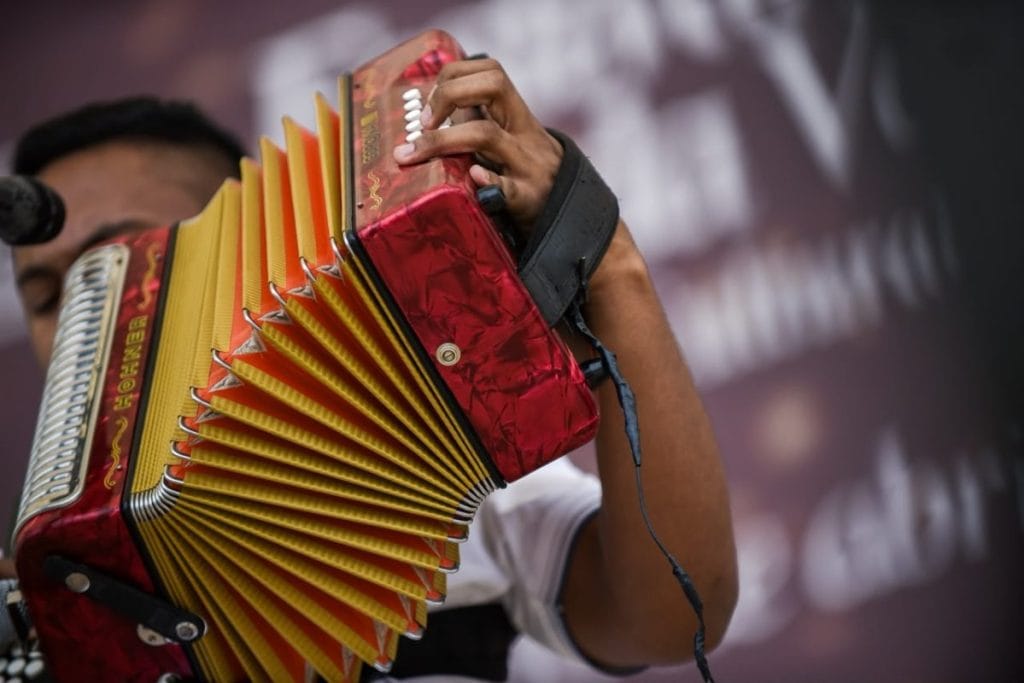
Those who visit the host city of the 2026 Parasuramerican Games will quickly discover that the city isn’t just all about accordions. It also preserves legends that have been passed down from generation to generation and help explain why this land is considered the cradle of one of Latin America’s most representative musical genres.
The story centers on Francisco Moscote Guerra, a real-life figure who lived between the late 19th and early 20th centuries. A peasant and minstrel, he traveled the roads of the old province, bringing news, stories, and songs to villages that remained isolated by long distances and difficult routes.
At that time, there were no roads, radio, or media outlets like those we know today. Minstrels, popular figures in society, were responsible for recounting the region’s events through music, becoming true chroniclers of their time through folklore.
A Duel Gave Rise to the Legend
Oral tradition tells that one early morning, while returning from a night out on the roads of the province somewhere in the magical Colombian Caribbean, near Valledupar, Francisco heard in the distance the sound of another accordion responding to each of his melodies. Intrigued by the skill of the unknown musician, he decided to challenge him to a musical duel. Paseos, merengues, and puyas followed one after another in a competition that seemed to have no end. However, his rival played each piece with supernatural perfection.
When the moon finally lit the path, Francisco discovered he was not competing against an ordinary man. According to legend, his adversary was the devil himself.
Far from giving up, the minstrel summoned all his talent and faith. Legend has it that, as he played his accordion, he began to sing the Creed. The power of the music and his beliefs ultimately defeated the darkness, forcing the demon to vanish into the shadows of the night.
Since then, history has turned Francisco Moscote into a legendary figure and the accordion into a symbol of cultural resistance for the entire region.
A mythical figure who embodies the culture of Valledupar
Beyond popular imagination, Francisco el Hombre represents the essence of the vallenato minstrel: that musician who traveled the roads carrying news, telling stories, and preserving the collective memory of the people.
His legacy lives on in the capital of Cesar. The main stage of the Festival de la Leyenda Vallenata bears his name and each year welcomes accordionists seeking to become Rey Vallenato, the highest honor for performers of this musical genre.
For those who visit the capital of Cesar, learning about the story of Francisco el Hombre is to delve into the origins of a tradition that is now recognized by UNESCO as part of the Intangible Cultural Heritage of Humanity.
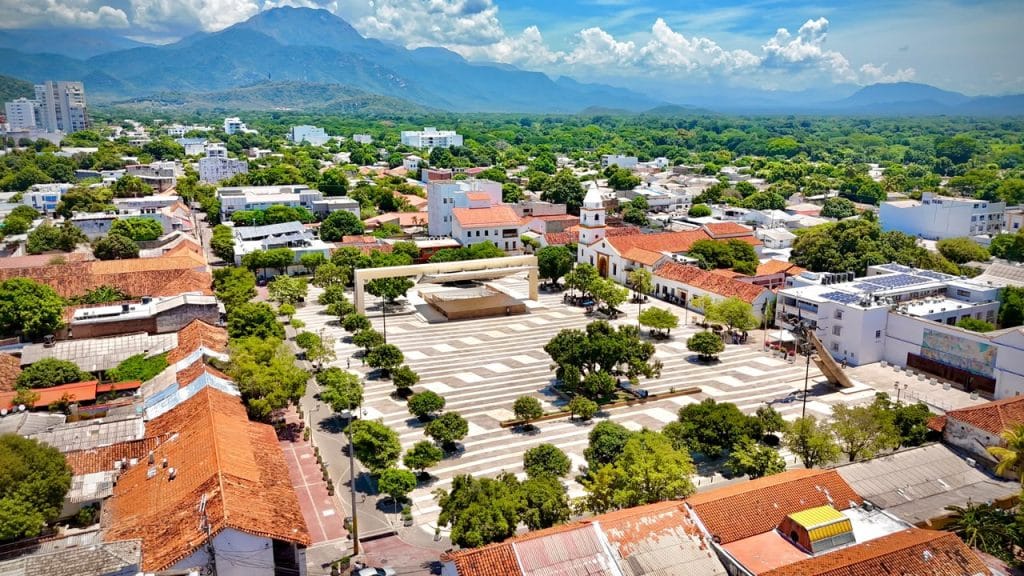
During the II Parasuramerican Games Valledupar 2026, visitors, athletes, and delegations will be able to tour the places where this legend lives on, from Plaza Alfonso López to the Parque de la Leyenda Vallenata and theCultural Center for Vallenata Music, one of the venues for the Games, where the Parasuramerican medals and titles in boccia and Para table tennis will be decided.
Because in Valledupar, music isn’t just heard. It’s also told through stories that have stood the test of time. And none of them is as fascinating as that of the minstrel who, according to tradition, defeated the devil armed only with an accordion and his great talent—the very talent that defines those who create the type of vallenato music that is applauded and sung along to around the world.
By Lauren Mellado.
JPV 2026 Press.